The event
Cao Cao Becomes Duke of Wei
曹操受封魏公
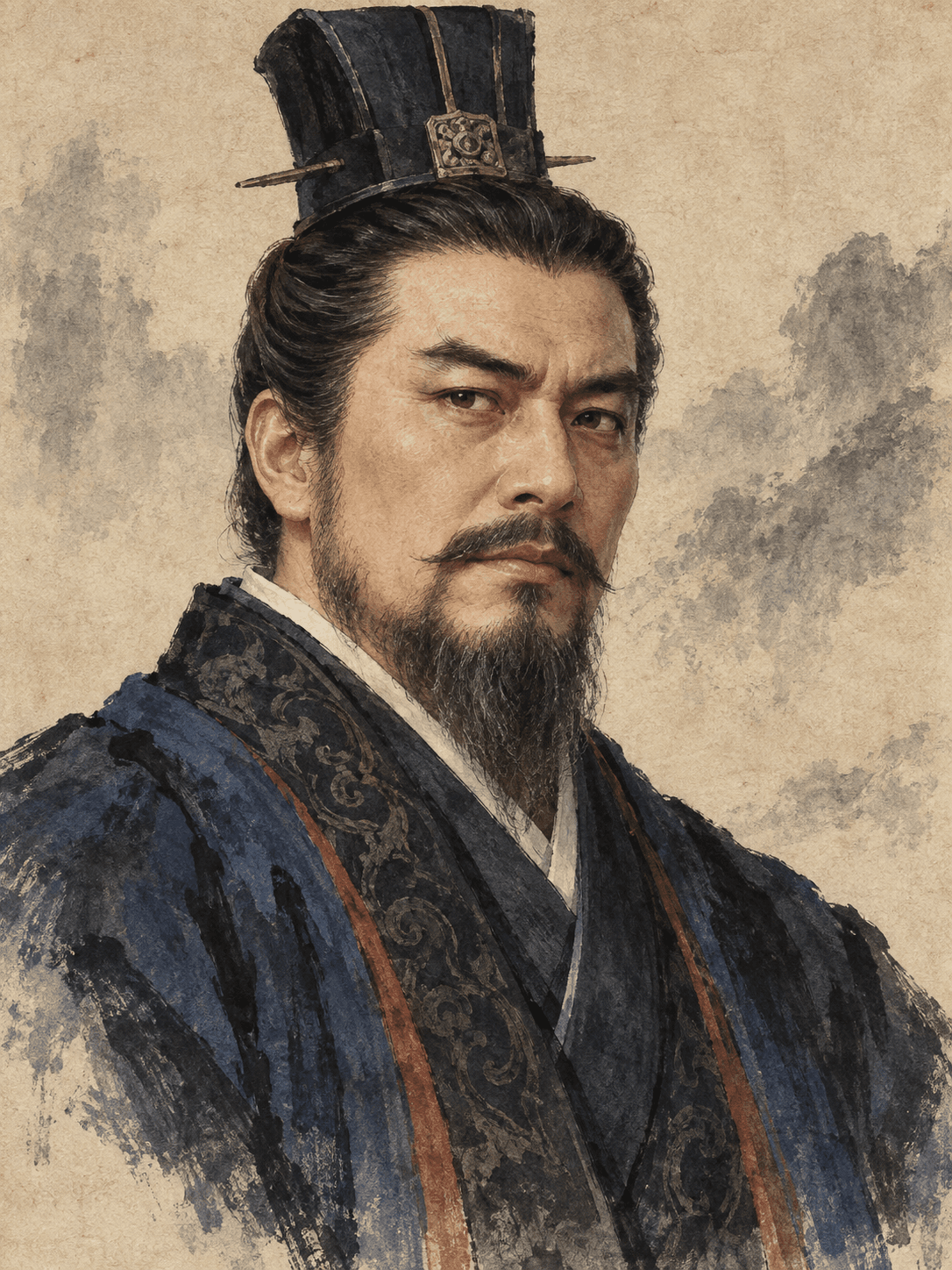
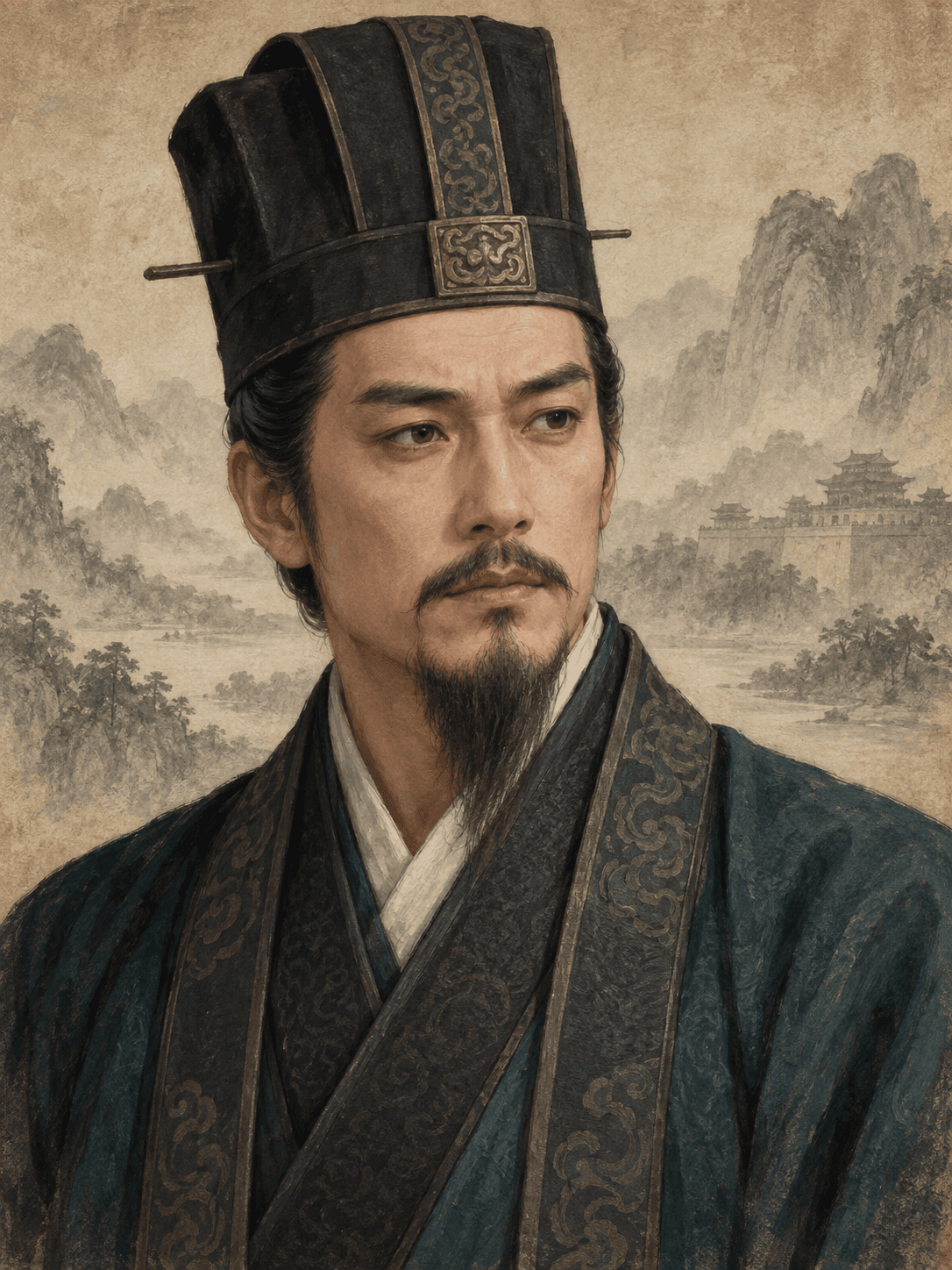
In 212 Dong Zhao and others argued that Cao Cao should be raised to a duke and given the Nine Bestowments in recognition of his achievements, and consulted Xun Yu about it in private. Xun Yu objected: Cao Cao had raised his army to support the Han court, and a gentleman shows love through virtue, not like this. The biography says Cao Cao was displeased. When he marched against Sun Quan, he asked that Xun Yu be sent to Qiao to inspect the troops and then kept him with the army; Xun Yu fell ill at Shouchun and died at fifty, and the biography says he died of worry. In 213 the Han court invested Cao Cao as Duke of Wei while he still served under the Han emperor. The edict made ten commanderies of Ji province the Duchy of Wei and added the Nine Bestowments, ceremonial honors that included carriages, robes, music, a guard of three hundred men, axes and bows; Cao Cao remained Chancellor and governor of Ji province. It also let Wei appoint its own chancellor, ministers and officials, on the model of the vassal kings of the early Han. In 216 the court raised him further to King of Wei. Cao Cao died in 220, before the Han abdication; only later did Cao Pi replace the Han and found Wei.
The people
Who took part
Novel vs history
How the novel retells it
Romance of the Three Kingdoms changes parts of this story. These fact-checks show what the records say instead.
Sources
Historical sources
- Historical record三国志 · 魏书十·荀彧荀攸贾诩传
In 212 Dong Zhao and others argued that Cao Cao should be raised to a duke and given the Nine Bestowments in recognition of his achievements, and consulted Xun Yu about it in private.
- Historical record三国志 · 魏书十·荀彧荀攸贾诩传
Xun Yu opposed Cao Cao receiving the title of Duke of Wei, saying the move conflicted with the cause of supporting the Han court.
- Historical record三国志 · 魏书十·荀彧荀攸贾诩传
The biography says Cao Cao was displeased by Xun Yu’s objection. When he marched against Sun Quan, he asked that Xun Yu be sent to Qiao to inspect the troops and then kept him with the army as an adviser on the Chancellor’s affairs.
- Historical record三国志 · 魏书十·荀彧荀攸贾诩传
Xun Yu fell ill and died at Shouchun at age fifty; Chen Shou’s biography says he died from worry.
- Later annotation三国志 · 裴松之注·魏书十·荀彧荀攸贾诩传
An annotation citing Wei Shi Chunqiu says Cao Cao sent an empty food container and Xun Yu then took poison; this is not the biography’s account.
- Historical record三国志 · 魏书一·武帝纪
Cao Cao was invested as Duke of Wei while still serving under the Han emperor.
- Historical record三国志 · 魏书一·武帝纪
The investiture edict made ten commanderies of Ji province the Duchy of Wei and named Cao Cao its duke.
- Historical record三国志 · 魏书一·武帝纪
The edict added the Nine Bestowments, a set of ceremonial honors that included carriages, robes, music, a guard of three hundred men, axes and bows.
- Historical record三国志 · 魏书一·武帝纪
The edict let the Duchy of Wei appoint its own chancellor, ministers and officials, on the model of the vassal kings of the early Han.
- Historical record三国志 · 魏书一·武帝纪
Cao Cao governed as Chancellor and held extensive military and civil authority across the north.
- Historical record三国志 · 魏书一·武帝纪
The Han court later advanced Cao Cao to King of Wei, a major step in the political order that preceded the Cao Wei dynasty.
- Historical record三国志 · 魏书一·武帝纪
Cao Cao died at Luoyang in 220. His son Cao Pi later received the imperial abdication and founded Wei; that came after Cao Cao’s death.
- Historical record三国志 · 魏书一·武帝纪
Cao Cao died before the Han abdication; only later did Cao Pi replace the Han and establish Wei.